Sewage Backup & Black Water Cleanup in Wilmington, NC
Sewage backup cleanup in Wilmington, NC addresses water that contains waste—sewer backups, wastewater intrusion, and toilet or sewer line problems that release contaminated water into a property. Contaminated water requires additional safety and cleaning precautions compared to a clean-water loss, and it can change which materials can be saved. Our team evaluates the contamination level, contains the affected area when appropriate, removes contaminated water, and applies appropriate sanitation and drying procedures for Wilmington properties.
When a Sewage Backup Requires Professional Cleanup in Wilmington
Sewage backups and black water losses differ from clean-water damage because the water contains contamination. A sewer line backup, a drain backup, or a toilet overflow involving waste introduces water that has been in contact with waste-containing systems. This changes the cleanup approach: the water category requires additional safety precautions, appropriate handling, and cleaning procedures designed for contaminated water. Direct contact should be avoided where practical.
Porous materials present a particular concern after sewage exposure. Materials like carpet pad, saturated drywall, and insulation can absorb contaminated water in ways that make drying in place inappropriate. Depending on the contamination level and material type, some porous materials may require removal rather than drying. This differs from a clean-water loss where drying in place is often viable, and it is one reason professional evaluation of the contamination level matters early in the process.
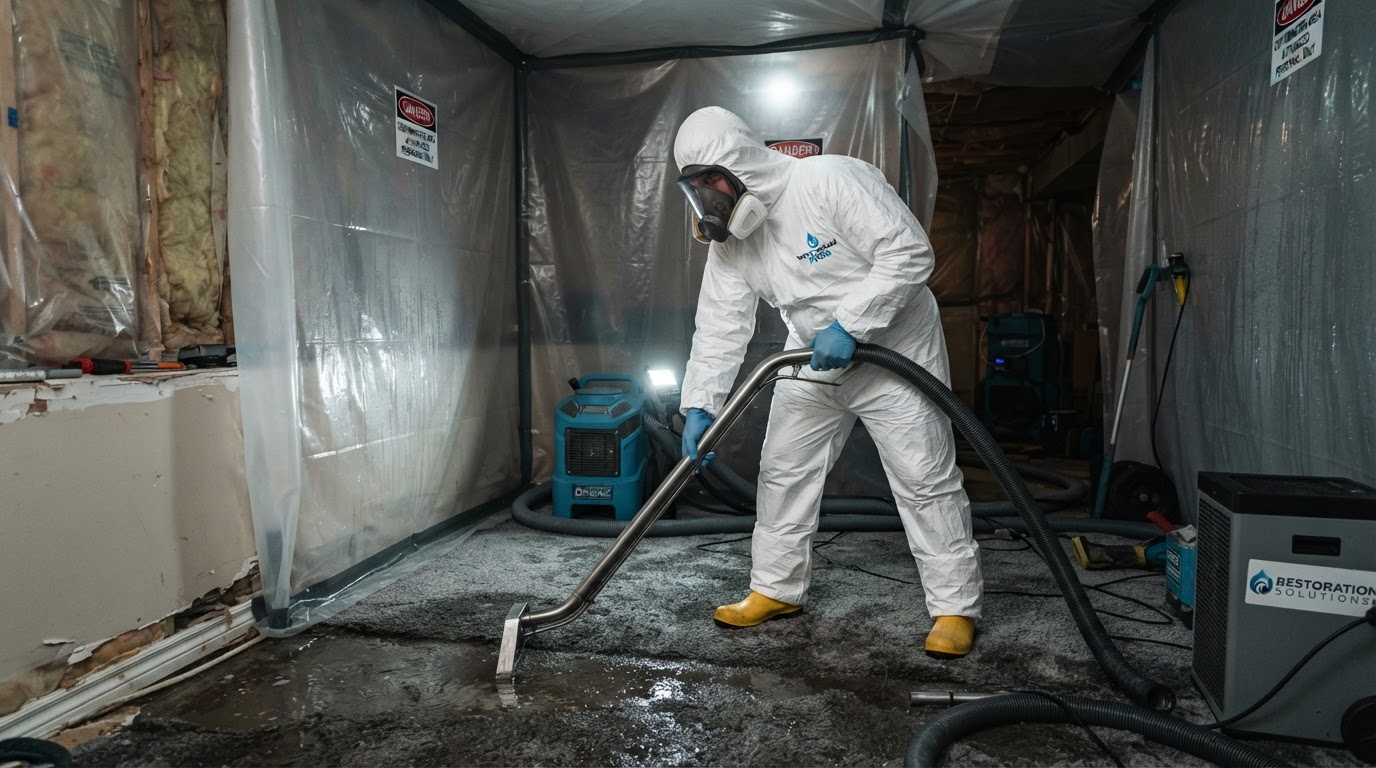
Cross-contamination prevention is part of handling a contaminated water loss. Containing the affected area, when appropriate, helps limit the spread of contamination to unaffected parts of the property during extraction and cleaning. Protective procedures for the people performing the work are also part of the process. Avoid direct contact with the water, and do not attempt to handle large contaminated losses with household cleaning products, which are not designed for that scope.
Sewer Line Backups
A backup in the sewer line can push wastewater back through drains and fixtures into the property, releasing contaminated water across flooring and into adjacent rooms.
Drain Backups
Floor drains and fixture drains can back up during heavy rainfall or line problems, introducing wastewater into basements, utility areas, and living spaces.
Toilet Overflows with Waste
A toilet overflow involving waste differs from a clean rinse-water overflow. The contamination level determines the safety precautions and cleaning procedures required.
Porous Material Concerns
Carpet pad, saturated drywall, and insulation can absorb contaminated water in ways that make drying in place inappropriate, requiring evaluation for removal.
Our Sewage Cleanup Process Near Wilmington, NC
Sewage backup cleanup follows a sequence that prioritizes safety evaluation and containment, then moves through contaminated-water removal, evaluation of non-salvageable porous materials, cleaning and sanitation, and drying. Because the water is contaminated, precautions are applied throughout that differ from a clean-water loss.
Safety Evaluation
We evaluate the contamination level and identify safety concerns before any work begins, since contaminated water requires precautions that a clean-water loss does not.
Containment When Appropriate
Where appropriate, the affected area is contained to help limit the spread of contamination to unaffected parts of the property during extraction and cleaning.
Contaminated-Water Removal
Extraction equipment removes the contaminated water from flooring and low areas, with handling precautions applied throughout the removal process.
Non-Salvageable Material Evaluation
Porous materials that have absorbed contaminated water are evaluated to determine which can be dried and which require removal, since some cannot be appropriately saved.
Cleaning & Sanitation
Affected spaces and salvageable materials are cleaned and addressed with appropriate sanitation procedures for the contamination level, without overclaiming disinfection guarantees.
Drying & Cross-Contamination Precautions
Drying equipment addresses remaining moisture in salvageable materials, with cross-contamination precautions maintained throughout until materials reach target levels.
Why Contaminated Water Changes Restoration Decisions in Wilmington
Contaminated water changes restoration decisions because the water category determines what can be safely dried in place. In a clean-water loss, porous materials like drywall and carpet pad can often be dried and saved. After sewage exposure, those same materials may have absorbed contamination in ways that make drying in place inappropriate, and removal becomes the appropriate path. This is why the contamination level is evaluated early—it shapes every material decision that follows.
The materials most affected by contamination concerns are the porous ones: carpet and pad, drywall—especially lower sections that wick water upward—and insulation inside wall cavities. These materials absorb water deeply and hold it against the structures behind them. Non-porous surfaces can be cleaned and dried more readily, but porous materials that have saturated with contaminated water are evaluated carefully for whether salvage is appropriate.
Appropriate sanitation procedures are applied to affected spaces and salvageable materials, but it is important not to overclaim disinfection guarantees. The focus is on proper handling, cleaning, and drying for the contamination level present. For related losses, see our emergency water extraction and flood damage cleanup services. Bathroom-related losses are covered under bathroom water damage cleanup, and drying is detailed in structural drying.
Sewage Backup Cleanup FAQs for Wilmington Property Owners
Need Sewage Backup Cleanup in Wilmington, NC?
If contaminated water has entered your property, call to check current service availability. From safety evaluation and containment to contaminated-water removal and sanitation, our Wilmington team can help address the loss appropriately.